HIV Symptoms
Causes, Signs & Treatment


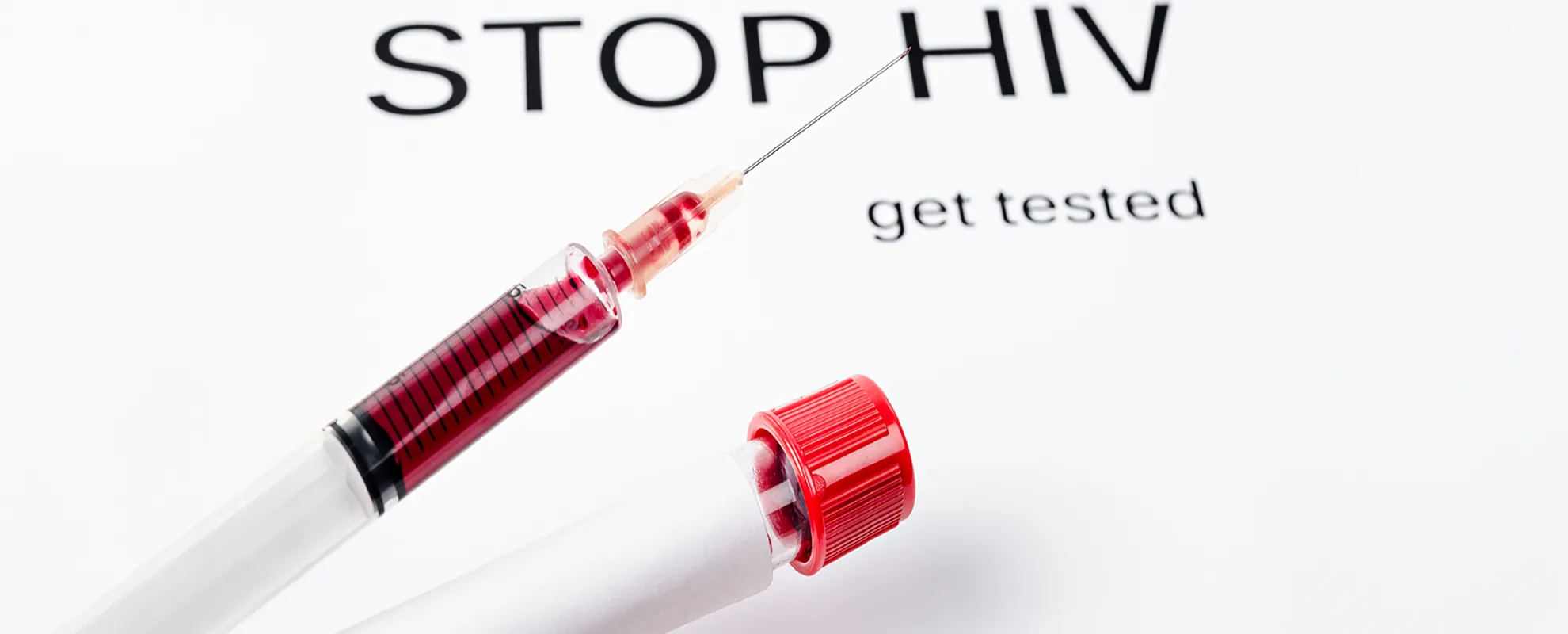
Human Immunodeficiency Virus (HIV) is a serious viral infection that attacks the body’s immune system. In the early stages, symptoms can be mild and easily mistaken for common illnesses, which is why many people may not realise they are infected.
Without treatment, HIV can progress to advanced stages and severely weaken the immune system. However, with early diagnosis and proper medical care, HIV can be effectively managed, allowing individuals to live long and healthy lives.
HIV is a virus that targets the immune system, specifically the CD4 cells, which help the body fight infections. Over time, untreated HIV reduces the body’s ability to defend itself against diseases.
HIV is transmitted through:
It progresses in stages, starting with early (acute) infection, followed by a chronic phase, and eventually advanced disease if untreated.
Symptoms usually appear 2 to 4 weeks after exposure and may include:

Fever
Fatigue
Sore throat
Swollen lymph nodes
Skin rash
Muscle and joint aches
Headache
These symptoms are often described as flu-like and may resolve on their own, even though the virus remains active in the body.
During this stage, many individuals may not have noticeable symptoms. However, the virus continues to damage the immune system.
If untreated, more severe symptoms may develop:

HIV is most commonly transmitted through vaginal or anal sex without protection.
Sharing needles or contact with infected blood increases the risk of transmission.
HIV can be passed from mother to baby during pregnancy, delivery, or breastfeeding if untreated.
You should seek medical attention if you:
Early testing is crucial, even if symptoms are mild or absent.
Blood tests (HIV antigen/antibody tests)
Rapid HIV tests
Follow-up confirmatory testing if needed
Testing can detect HIV even in early stages, although repeat testing may be required depending on exposure timing.
While HIV cannot be cured, it can be effectively controlled with treatment.
With consistent treatment, individuals living with HIV can maintain a normal lifespan.
If untreated, HIV can progress to advanced disease and lead to:
Severe immune system damage
Opportunistic infections
AIDS (Acquired Immunodeficiency Syndrome)
Life-threatening complications
Early treatment prevents disease progression and improves long-term outcomes.
Testing is essential, especially after potential exposure.
You should get tested if you:
Have had unprotected sex
Have multiple sexual partners
Experience flu-like symptoms after exposure
Have a partner with HIV or unknown status
Regular screening is recommended for sexually active individuals.
HIV may not always cause obvious symptoms, but early detection is key to effective treatment and long-term health. Testing is quick, confidential, and life-saving.
Visit Careplus Clinic for confidential HIV testing, accurate diagnosis, and personalised care in a safe and professional environment.